
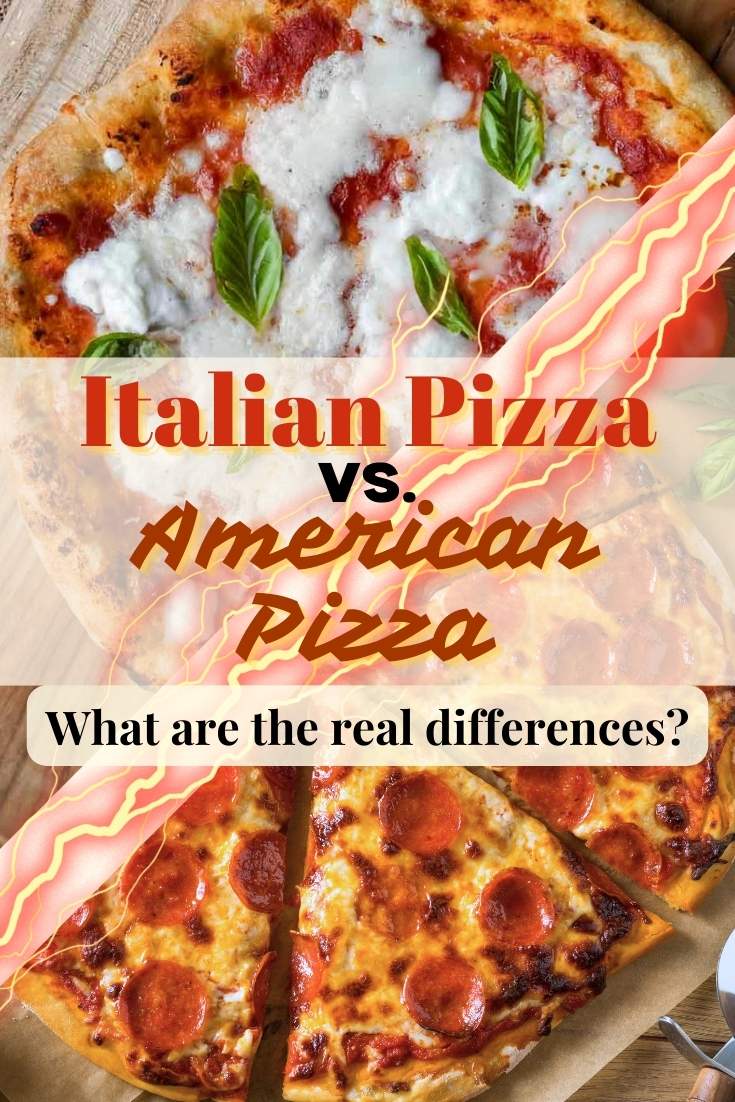
Pizza, a universally loved dish, originated in Italy but has found a significant place in American cuisine. While both Italian and American pizzas share some basic elements, they have distinct differences that make each style unique. Understanding the differences between Italian pizza vs. American pizza, can help pizza enthusiasts appreciate the diversity and richness of this beloved food.
This post may contain affiliate links, which means I may make a small commission off items you purchase at no additional cost to you.
Let's first make it clear, we're not here to judge which is the best pizza, but we're only pointing out the real significant differences between the classic Italian pizza and the American counterpart.
Italian and American pizzas, while sharing a common ancestry, have evolved into distinct culinary traditions with their own unique characteristics. Italian pizza emphasizes simplicity, quality ingredients, and traditional techniques, resulting in a light, flavorful dish that highlights the artistry of the pizzaiolo. American pizza, with its diverse styles and generous toppings, reflects the country's melting pot of influences and its love for bold, hearty flavors.
Understanding these differences allows pizza lovers to appreciate the rich history and cultural significance of this beloved food in both Italy and the United States. Whether you prefer the classic elegance of a Neapolitan pizza or the robust flavors of a New York slice, there is no denying that good pizza, in all its forms, continues to bring joy and satisfaction to people around the world.
Make sure to check my recipe for Homemade Margherita Pizza!
Jump to:
History and Origins
Authentic Italian pizza traces its roots back to Naples in the 18th century, the birthplace of pizza. The traditional Neapolitan pizza is characterized by a fluffy, chewy, soft crust, simple ingredients, and a quick cooking time. The most classic version, Pizza Margherita, was created to honor Queen Margherita of Savoy in 1889, featuring tomatoes, mozzarella, and basil to represent the colors of the Italian flag. Nowadays, Pizza is a staple of Italian cuisine, with more than 63000 pizzerias throughout Italy, making it approximately 1 pizzeria for every thousand people.
American pizza, on the other hand, began its journey in the late 19th and early 20th centuries with Italian immigrants who brought their culinary traditions to the United States. Over time, American pizza evolved, adapting to local tastes and ingredients. The first American pizzerias in the U.S., Lombardi's, opened in New York City in 1905, and from there, various regional styles emerged, each with its own unique characteristics.
Ingredients and Preparation
The key differences in ingredients and preparation between Italian pizza vs. American pizza are substantial. Italian pizza emphasizes simplicity and quality. The Italian pizza dough is typically made with just flour, water, salt, and yeast. High-quality, fresh ingredients are used for toppings, which are applied sparingly to maintain balance and allow each component to shine.
Italian pizzas often feature fresh mozzarella cheese, San Marzano tomatoes, and a drizzle of olive oil. The Italian pizza sauce is usually uncooked, made from pureed tomatoes and seasoned lightly. Toppings are minimal, especially in the authentic neapolitan pizza, letting the basic ingredients of fresh tomatoes, mozzarella, fresh basil, and flavorful dough shine.
In contrast, American pizza dough often includes sugar and oil. The crust can range from thin and crispy to thick and doughy, depending on the style and type of pizza. American pizza sauce tend to be a slow-cooked tomato sauce, often seasoned with a variety of herbs and spices. Cheese is used more liberally, with mozzarella being a common choice, though other types like cheddar and provolone are also popular.
American pizzas are known for their generous and varied toppings, which can include pepperoni, sausage, mushrooms, onions, and bell peppers. Some different styles, like Chicago deep-dish, even feature layers of toppings and cheese, creating a hearty and filling meal.
Cooking Techniques
The cooking methods for Italian and American pizzas also differ significantly. Traditional Italian pizza is cooked in a wood-fired oven at very high temperatures, often exceeding 900°F (485°C). This quick cooking method, usually taking only 60-90 seconds, results in a soft, chewy crust with a characteristic char and bubbling of the toppings.
American pizzas are typically baked in gas or electric ovens at lower temperatures, around 500-600°F (260-315°C). The cooking time is longer, which affects the texture of the crust and toppings. Some American styles, like New York pizza, are cooked directly on the oven deck, creating a crispy bottom, while others, like deep-dish or Sicilian pizza, are baked in pans, giving them a thicker, softer crust.
Regional Variations
Both Italy and the United States have regional pizza variations that further highlight the differences in style and tradition.
In Italy, Neapolitan pizza is the gold standard, but other regions have their specialties. Roman pizza, for example, is known for its ultra-thin, crispy crust. Pizza al taglio, or pizza by the slice, is another popular style, often sold in rectangular pieces and featuring a variety of toppings.
American pizza has even more regional styles. New York-style pizza is famous for its large, foldable slices and crispy crust. Chicago deep-dish pizza is a hearty, pie-like creation with layers of cheese, toppings, and sauce. Detroit-style pizza features a thick, rectangular crust with a crispy, caramelized edge. California-style pizza is known for its creative, gourmet toppings like goat cheese, arugula, and smoked salmon.
Cultural Impact
Pizza holds a significant place in the different cultures of both Italy and the United States. In Italy, pizza is a traditional food that is deeply rooted in local customs and regional pride. It is often enjoyed as a communal meal, with a focus on the quality of ingredients and the craft of the pizzaiolo (pizza maker).
In the United States, pizza has become a cultural phenomenon, embraced by people of all ages and backgrounds. It is a staple of casual dining, family gatherings, and social events. The versatility of American pizza, with its myriad styles and toppings, reflects the country's diverse culinary landscape and its ability to adapt and innovate.
Nutritional Differences
When it comes to nutrition, there are notable differences between Italian pizza vs. American pizza. Italian pizza, with its emphasis on fresh, simple ingredients and thin crust, tends to be lighter and lower in calories. The use of high-quality olive oil, fresh vegetables, and moderate amounts of cheese makes it a healthier option compared to many American versions.
American pizza, particularly styles like deep-dish and those loaded with multiple toppings, can be significantly higher in calories, fat, and sodium. The thicker crust, generous use of cheese, and processed meats contribute to a more indulgent meal. However, the variety of American pizza also means that there are healthier options available, such as thin-crust or vegetable-heavy pizzas.
Leave a Comment