
Drying homemade fresh pasta is a great way to store it for a longer time. In this guide, we'll show you easy steps to dry your pasta so it stays fresh and ready to cook whenever you need it.
This post may contain affiliate links, which means I may make a small commission off items you purchase at no additional cost to you.
Drying homemade fresh pasta is a great way to keep it fresh for a longer time. In Italian cuisine there are many different types of fresh pasta but most of them require long time and effort to make. This guide will show you how to dry pasta properly so that it stays tasty and ready to cook. By learning how to store fresh pasta correctly, you can enjoy your homemade pasta any time without worrying about it going bad.
Storing fresh pasta is simple once you know the steps. Drying pasta helps remove moisture, preventing it from spoiling. This process turns your fresh pasta into dried pasta, which can be kept in the pantry for months. Whether you're new to making pasta at home or looking to extend its shelf life, this guide will help you with all the tips and tricks for drying and storing pasta correctly.
NOTE: This drying process is recommended only for Semolina pasta (pasta made with only semolina flour and water). I do not recommend drying egg pasta for safety reasons.
Check out also this Ultimate Guide on How to Make Fresh Pasta without a Pasta Machine and this guide on How to Freeze and Cook Fresh Pasta.
Jump to:
Fresh vs Dried Pasta
Fresh pasta, or Pasta Fresca, is homemade pasta made with durum wheat semolina flour, water, salt, and a bit of olive oil. For some types of pasta, eggs are also added. Egg pasta is generally not suited for drying for safety reasons, but it can be stored in the freezer.
Fresh pasta and dried pasta each have their own advantages. The main difference is that fresh pasta, due to its high moisture content, has a very short shelf life and needs to be cooked immediately.
When it comes to storage and convenience, dried pasta has much longer storage potential. Once properly dried, pasta can be stored in an airtight container and kept in a cool, dark place for several months, even up to a year. This makes dried pasta extremely convenient for long-term use, as it doesn't require refrigeration and can be easily accessed whenever needed. Additionally, dried pasta is less fragile than fresh pasta, making it easier to transport and store without worrying about breakage.
In terms of taste and texture of the pasta, fresh pasta tends to be softer and more delicate, often with a richer flavor due to its higher water content. Dried pasta, while slightly firmer and less tender. Keeping pasta al dente provides a satisfying chew and is ideal for holding up to hearty pasta sauces and longer cooking times.
Equipment
Before you begin the process of drying homemade fresh pasta, it's important to gather all the necessary tools and materials. Having the right equipment will make the process smoother and ensure the best results. Here's a list of what you'll need:
Tools to make fresh pasta
- Wooden Board: A wooden board provides a sturdy surface for kneading, rolling out and cutting pasta dough.
- Rolling Pin: A rolling pin helps roll out the dough to the desired thickness for making pasta. You can make almost every pasta shape with just a rolling pin.
- Bench Scraper: A bench scraper is useful for cutting and portioning the pasta dough cleanly, though it's not necessary.
- Pasta Wheel: A pasta wheel can effortlessly cut the pasta dough, but you can also use a sharp knife.
- Pasta Machine: A pasta maker can speed up the process of rolling and cutting pasta, ensuring uniform thickness and shape.
- Pasta Extruder: If you want to try your hand with more complex shapes like Rigatoni, Penne, or Ruote, you'll need a pasta extruder. Find a classic manual pasta extruder or get a modern electric pasta extruding machine.
Tools to Dry Pasta
- Drying Rack: A pasta drying rack provides an ideal setup for hanging pasta strands and ensuring even air circulation. There are stand drying racks for long pasta like Tagliatelle or Pici, and drying trays that can be used for any pasta shape.
- Kitchen Towels: Clean, lint-free kitchen towels can be used for laying out pasta. They help aborb the moisture and make the pasta dry faster.
- Cheese Cloth: Lighter than kitchen towels, it can be used to cover the pasta. It helps air circulates and dry the pasta quicker, while also keeping away dust.
- Baking Sheets: You can place the kitchen towels on baking sheets to easily move them around and even stack them (with the use of separators like glasses or tray stackers).
- Airtight Containers or Glass Jars: Once the pasta is dried, it needs to be stored in airtight containers or glass jars to maintain its freshness and protect it from moisture.
- Dehydrator (Optional): You don't need to buy a dehydrator to dry fresh pasta, but if you already have it, you can use it as a handy tool!
Different Methods to Dry Pasta at Home
Drying homemade pasta is a simple process that can be done using a few different methods. Each method has its own advantages and can be chosen based on your available equipment and personal preference. Here are the most common methods to dry pasta at home:
Air Dry on Towels or Drying Racks
Air drying is the most traditional method and requires minimal equipment. Here's how to do it:
- Prepare the Pasta: After cutting the pasta in the desired shape, dust it lightly with flour to prevent sticking.
- Use a Drying Rack: Hang long pasta strands, such as spaghetti or fettuccine, over a stand drying rack. Ensure the strands are separated to allow air to circulate.
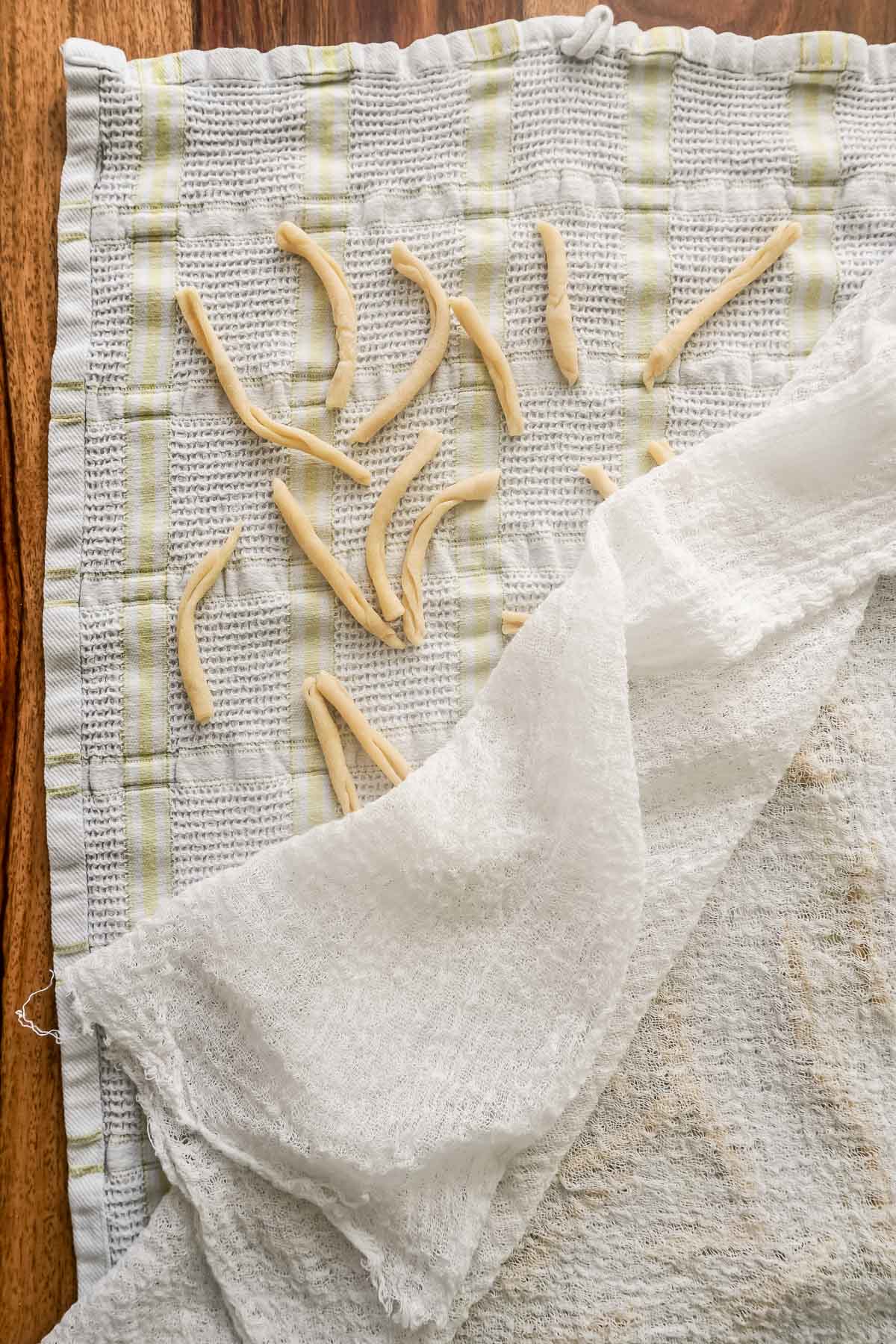
- Lay Flat Shapes on Towels: For pasta shapes that can't be hung, like farfalle or penne, place them in a single layer on kitchen towels on a table or baking sheets.
- Cover to avoid dust: Cover the pasta with cleese cloths to let the air circulates and prevent dust.
- Allow to Air Dry: Let the pasta air dry at room temperature for 24-48 hours. Make sure the area is free from humidity and dust. Turn the pasta at least once to ensure even drying.
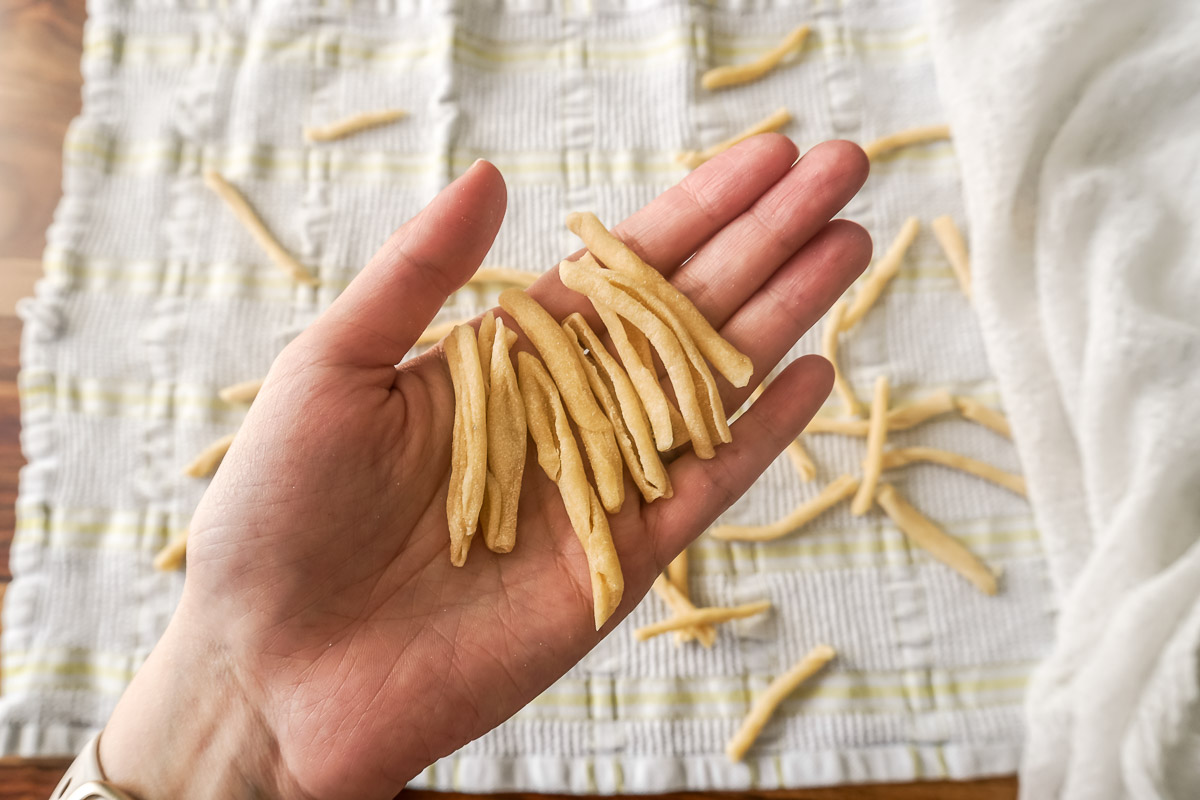
- Check for Dryness: The pasta should be completely dry and brittle before storage. Break a piece to check - it should snap easily.
Use a Oven
Oven drying is a quicker method, especially useful in humid climates where air drying might not be effective. A convection or fan oven works better than a static oven but both can be used. Here's how to do it:
- Preheat the Oven: Set your oven to its lowest temperature, usually around 140-150°F (60-65°C).
- Prepare the Pasta: Spread the pasta out on baking sheets lined with parchment paper, ensuring the pieces are not touching.
- Dry the Pasta: Place the baking sheets in the oven. Keep the oven door slightly ajar to allow moisture to escape. This can be done by wedging a wooden spoon in the door.
- Monitor the Pasta: Check the pasta every 15-20 minutes, turning it occasionally to ensure even drying. The drying process can take 1-2 hours depending on the pasta thickness and oven temperature.
- Cool and Store: Once the pasta is dry and brittle, remove it from the oven and let it cool completely before storing in airtight containers.
Use a Dehydrator
Using a food dehydrator is another efficient method, especially if you frequently dry foods at home. Here's the process:
- Set Up the Dehydrator: Arrange the pasta in single layers on the dehydrator trays. Make sure the pieces are not overlapping.
- Set the Temperature: Set the dehydrator to around 135°F (57°C), the ideal temperature for drying pasta.
- Dry the Pasta: Let the pasta dry in the dehydrator for about 2-4 hours. The time may vary depending on the pasta thickness and the dehydrator model.
- Check for Dryness: The pasta should be hard and brittle. If it bends without snapping, it needs more drying time.
- Cool and Store: Allow the pasta to cool completely before storing it in airtight containers.
NOTE: The drying process is recommended only for Semolina pasta (pasta made with only flour and water). I do not recommend drying fresh egg pasta for safety reasons.
How to Store Dried Pasta
Proper storage of dried pasta is essential to maintain its quality and ensure it remains fresh for an extended period. Follow these steps to store your dried pasta effectively:
- Ensure Complete Dryness: Before storing, make sure the pasta is thoroughly dry. It should be brittle and snap easily. Any residual moisture can lead to mold growth and spoilage.
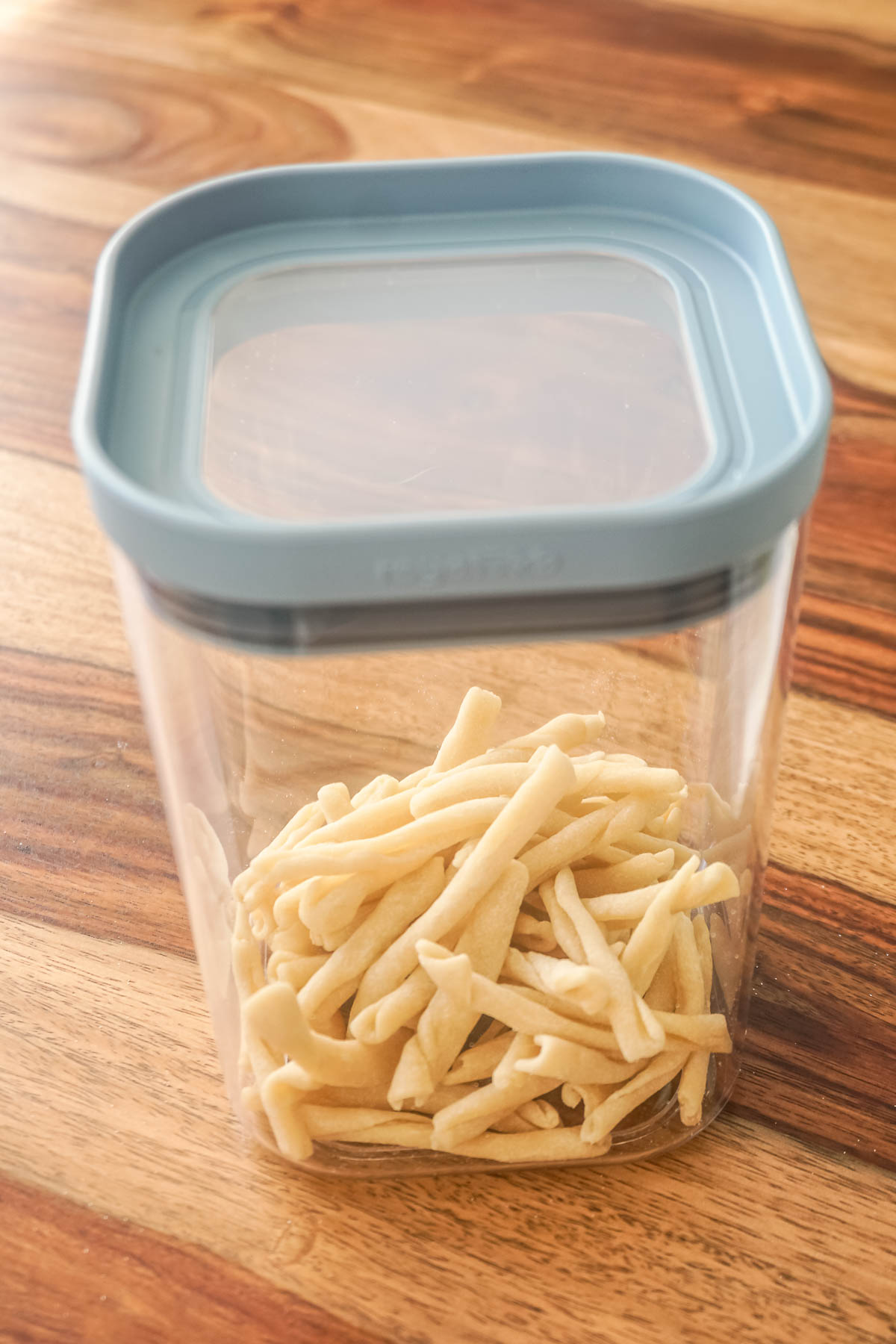
- Use Airtight Containers: Store the dried pasta in airtight containers to protect it from moisture and pests. Glass jars with tight-fitting lids, plastic containers, or resealable plastic bags work well. Ensure the containers are clean and dry before use.
- Label the Containers: It's a good practice to label your containers with the date of drying. This helps you keep track of how long the pasta has been stored and ensures you use the oldest batches first.
- Ideal Storage Conditions: Store the containers in a cool, dark, and dry place. A pantry or cupboard away from direct sunlight and heat sources is ideal. Avoid storing pasta near the stove, oven, or any place with fluctuating temperatures and humidity.
- Check Periodically: Occasionally check your stored pasta for any signs of moisture or pests. If you notice any issues, discard the pasta.
- Shelf Life: When stored properly, dried pasta can last for several months, even up to a year. The exact shelf life depends on the storage conditions and the type of pasta. Always check the pasta for signs of spoilage before use.
Fresh Pasta Recipes you need to try
- How to make Agnolotti Pasta (Agnolotti del Plin)
- How to make Pappardelle Pasta
- How to make Strozzapreti Pasta
- How to make Tonnarelli Pasta (Spaghetti alla Chitarra)
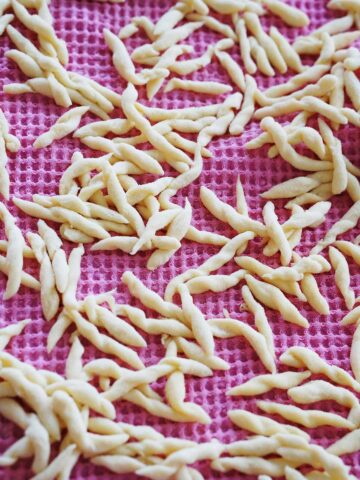
- How to make Trofie Pasta (no tools needed)
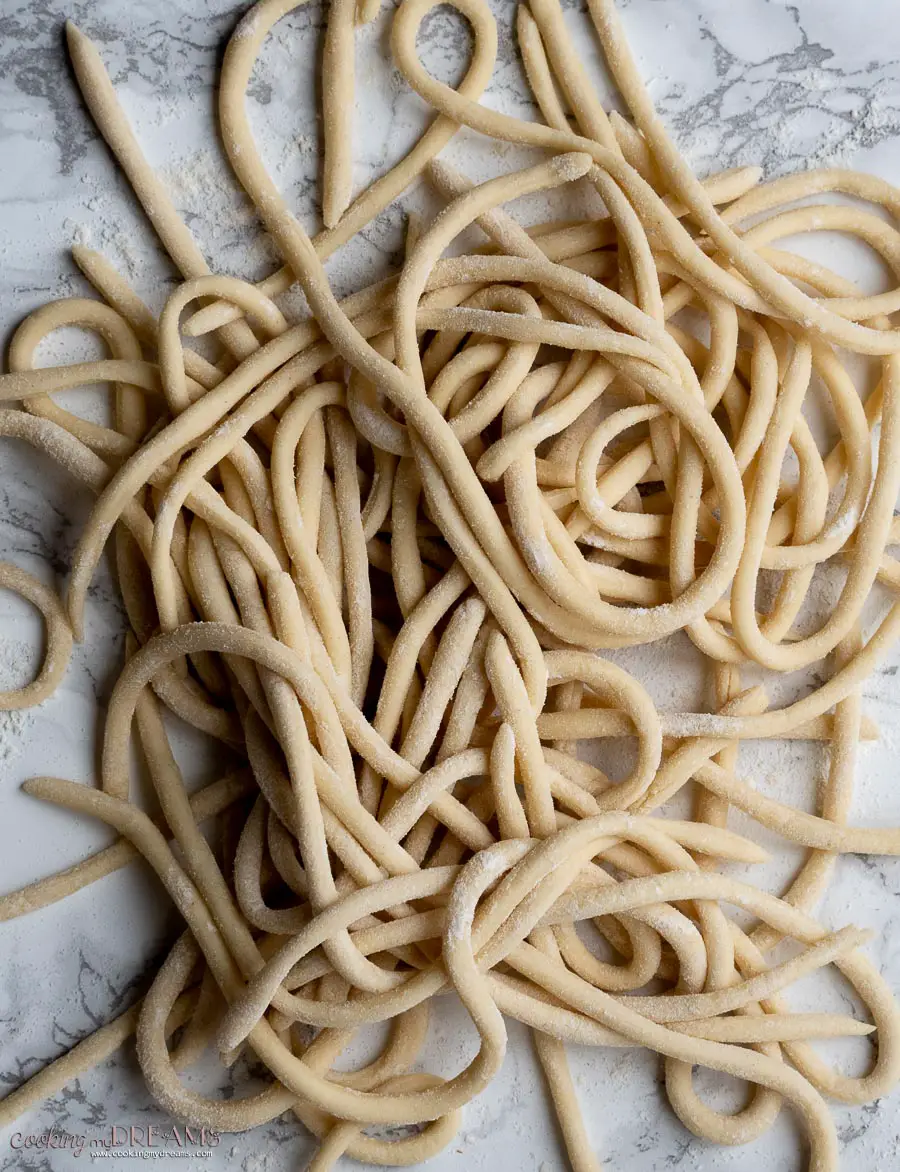
- How to make Pici Pasta (no tools needed)
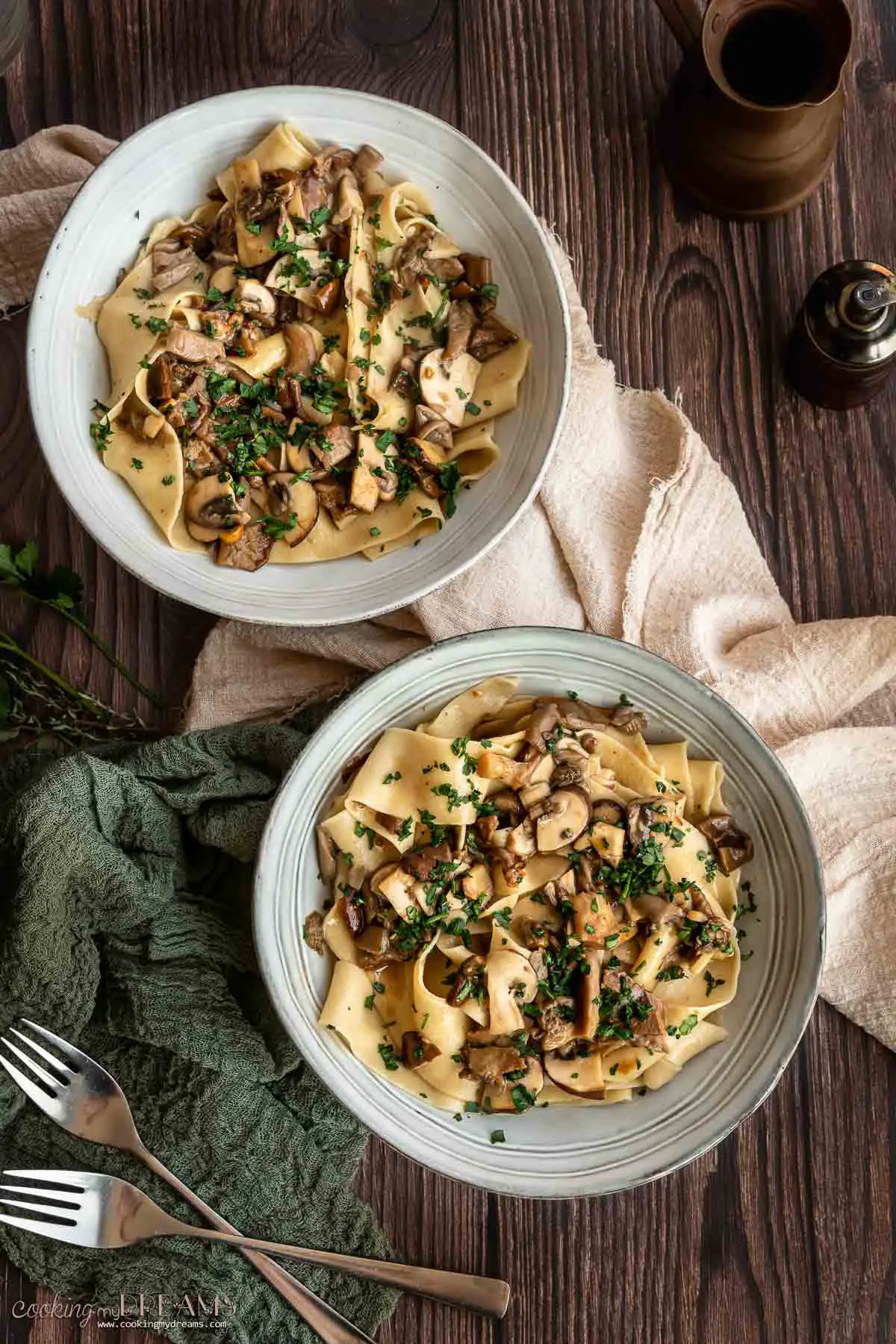
- Pappardelle ai Funghi (Wild Mushroom Pappardelle)
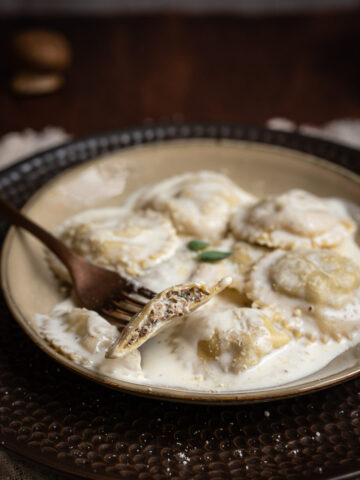
- Wild Mushroom Ravioli (with Creamy Garlic Parmesan Sauce)
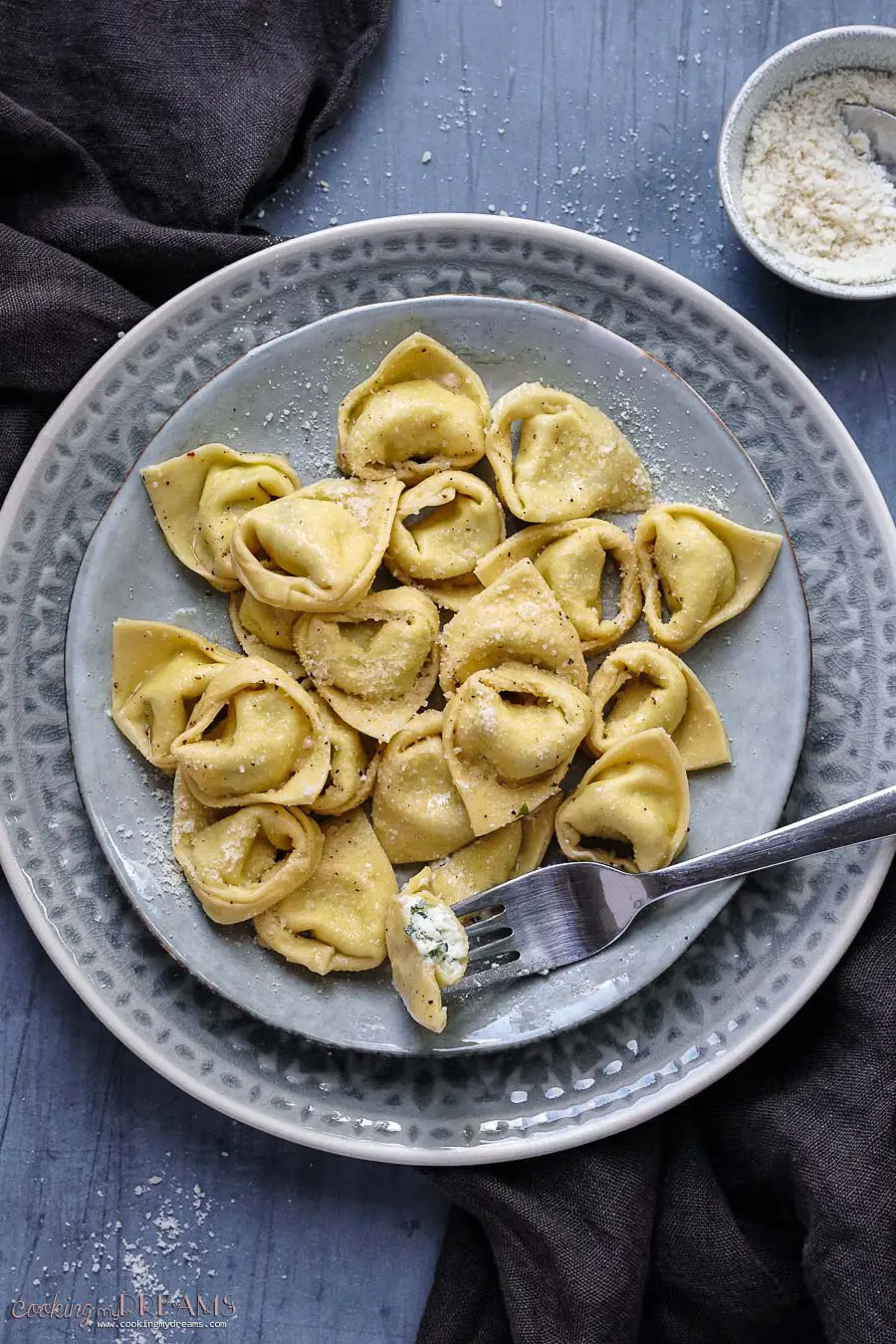
- Tortelloni with Ricotta and Herbs
- Spelt Cavatelli Pasta with Creamy Broccoli Sauce
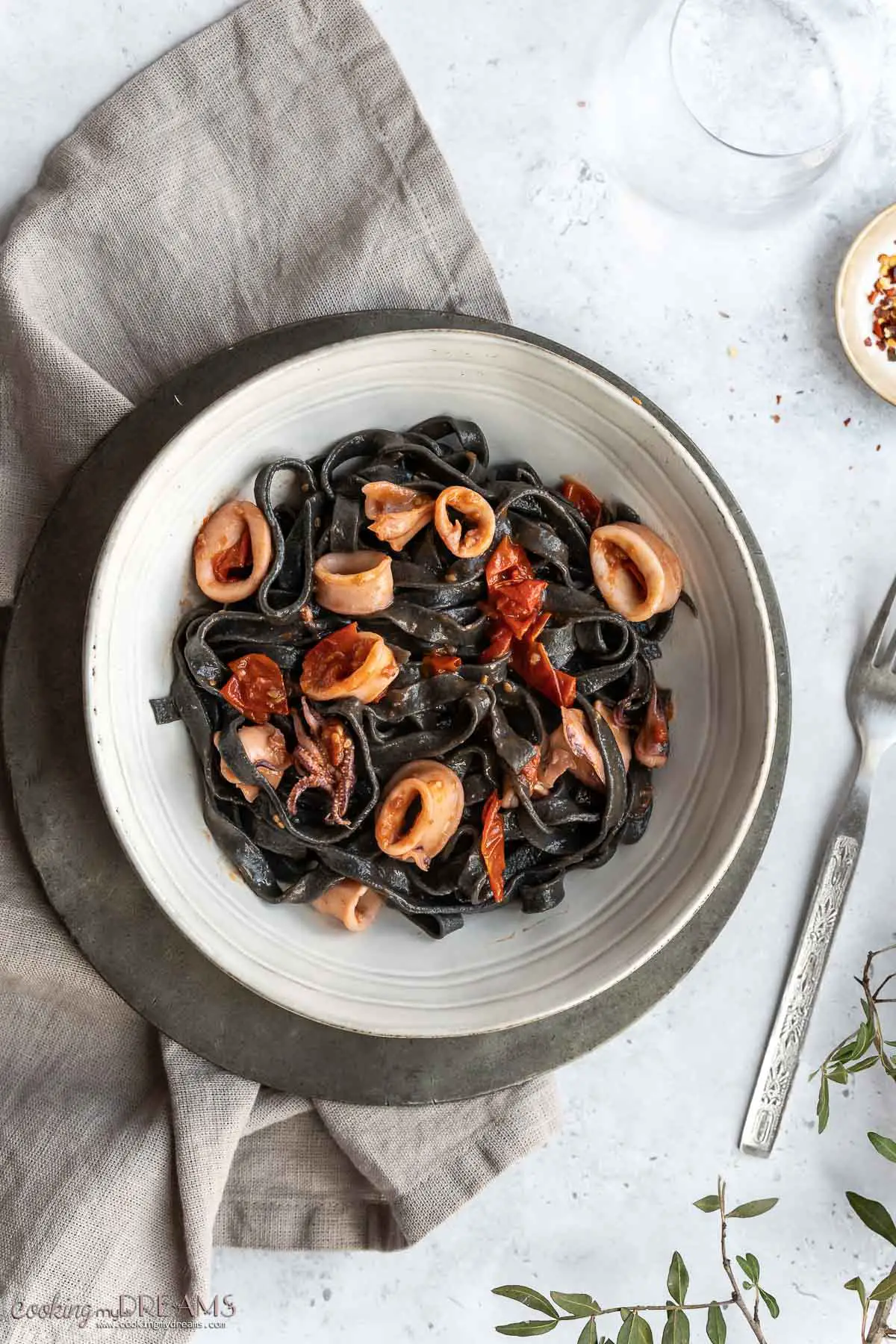
- Homemade Squid Ink Pasta with Squids and Tomatoes
- Garganelli Pasta with Shrimps, Squids and Zucchini
Frequently Asked Questions
When stored properly in airtight containers and kept in a cool, dark, and dry place, dried pasta can last for several months, even up to a year. Always check for signs of spoilage before using.
You can dry any shape of semolina pasta, including long strands like spaghetti and fettuccine, as well as shapes like farfalle and penne. However, egg pasta like tagliatelle or ravioli should stored by freezing.
Fully dried pasta should be hard and brittle. It should snap easily when broken. If the pasta bends without breaking, it needs more drying time.
Ensure the pasta is well-floured and spread out in single layers without overlapping. For long strands, hanging them on a drying rack allows air to circulate and prevents sticking.


Leave a Comment