
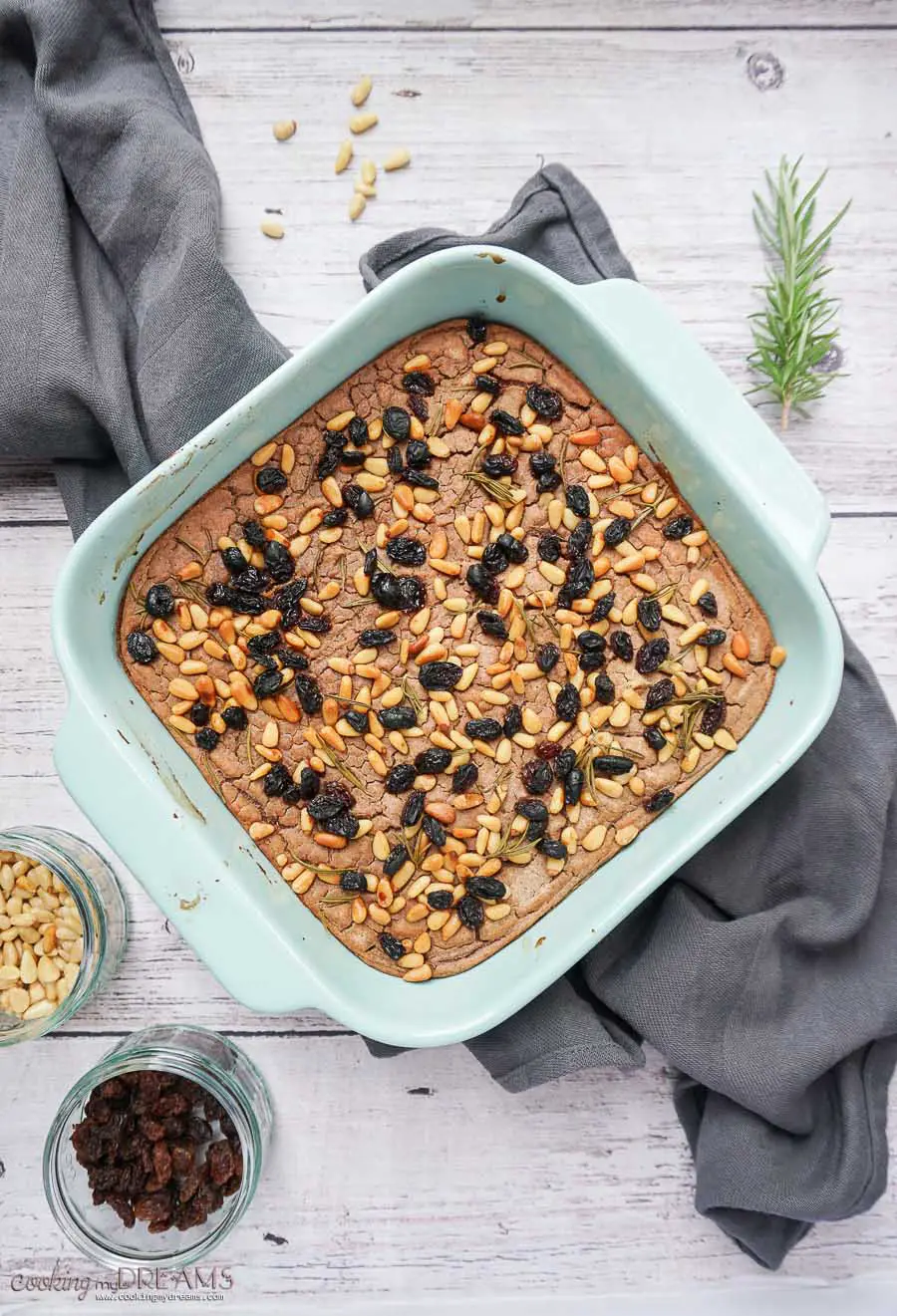
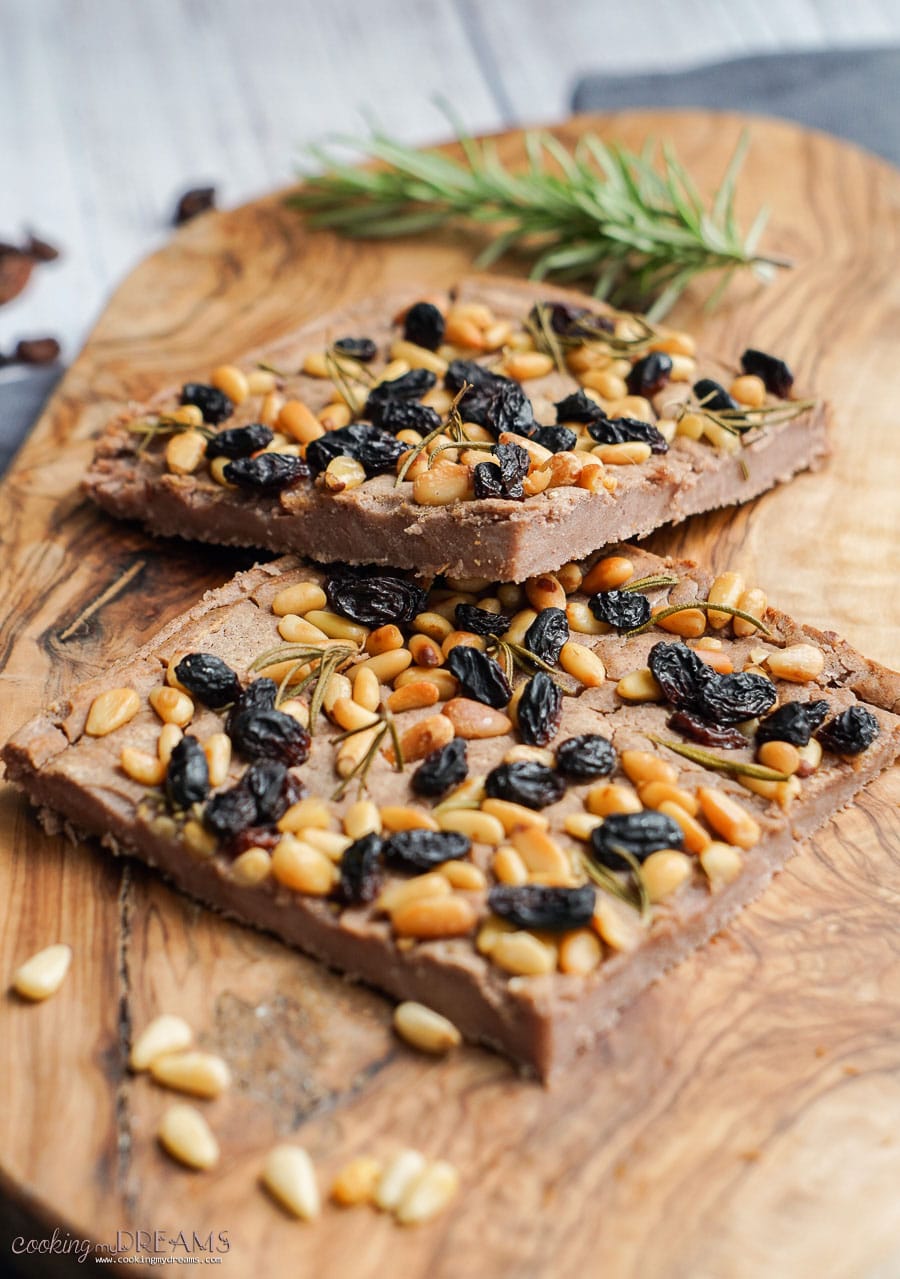
Castagnaccio is a traditional Tuscan cake born as a poor peasant dish thanks to its cheap main ingredients: chestnut flour and water. To give it more flavor it's then enriched with raisins, pine nuts, olive oil, and rosemary. I know it sounds like a savory dish, but you'll be surprised by its sweetness.
Jump to:
What is Castagnaccio?
This post may contain affiliate links, which means I may make a small commission off items you purchase at no additional cost to you.
You know it's really Autumn when Tuscan moms and grandmas start baking the Castagnaccio. Thanks to its super-easy recipe, every woman in Tuscany knows how to bake this sweet and savory chestnut cake. Even if they don't know how to cook anything else. So, it comes the time of year (late October and November) when every household eats Castagnaccio.
It's so quick and easy to make that I've rarely seen my mom or grandma making it. It just suddenly appeared on the table and everybody was so excited to eat it that it disappeared rather quickly as well.
In my family, the Castagnaccio is always in squares (or rectangles), not slices. So, I did this recipe in a 20x20cm (8x8") square baking pan. Although there are really no restrictions, so you can easily make it in a round pan of 22cm (8.6") diameter as well.

Chestnut Flour: How it's made and used
Chestnuts harvest is in October when they start falling from the trees. In this period, you'll find around the streets of some Italian cities, men selling roasted chestnuts in paper cones, called Caldarroste. When you walk around the city you'll immediately smell the amazing aroma from far away. It will attract you like a magnet to the small Caldarroste cart.
Chestnut flour producers harvest the chestnuts and then dry them for about 20 days. After which they will toast them and grind them to get fresh chestnut flour, also called "farina dolce" (sweet flour).
In Tuscany, there are many chestnut trees and chestnut flour is therefore quite easy to find. Thanks to this we have a long tradition of chestnut cookies and cakes. The most famous one is the Castagnaccio - also called Baldino or Pattona in other parts of Tuscany. There are also different variations of this cake in other parts of Tuscany, with walnuts in place of pine nuts or with the addition of orange peel.
If you want another yummy recipe that uses chestnut flour, try these Chestnut cookies with Pumpkin jam.
Castagnaccio Storage and Reheating
Castagnaccio keeps well for a few days at room temperature in an airtight container, though it will firm up over time. If you plan to store it longer:
- Refrigerator: Store in an airtight container for up to 4-5 days.
- Freezer: Wrap individual slices in plastic wrap and store in a freezer-safe bag for up to 3 months. Let it thaw at room temperature before serving.
- Reheating: Warm up a slice in the oven at 150°C (300°F) for about 5 minutes or microwave for 20 seconds to soften it up slightly, or enjoy room temperature
Recipe FAQs
Yes! Chestnut flour is naturally gluten-free, making castagnaccio a great option for those with gluten sensitivities.
This can happen if too little water is used. Make sure the batter is smooth and slightly runny before baking. Using high-quality chestnut flour also helps.
Absolutely! You can skip them or replace them with almonds, walnuts, or even sunflower seeds.
Traditionally, no. But if you prefer a sweeter version, you can add a tablespoon of honey or maple syrup.
Related Recipes you might like
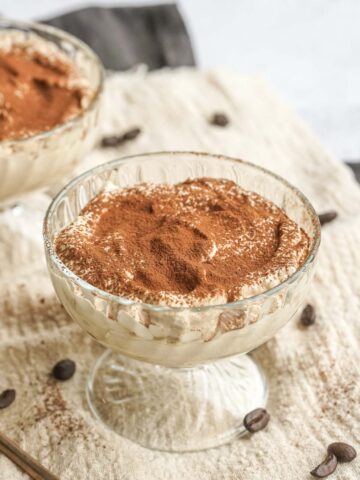
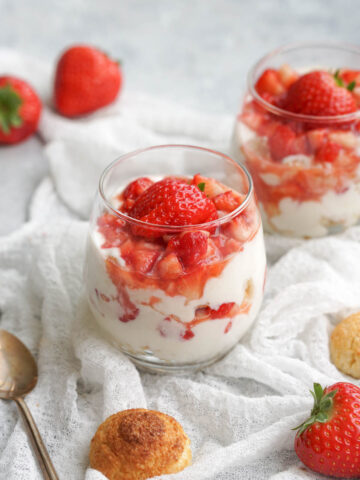
If you like this recipe, try also these other sweet recipes:
If you tried this recipe, please take a moment to rate it and share your thoughts in the comments. Your feedback means a lot to me! ★★★★★
📖 RECIPE
Ingredients
Method
- In a small bowl add the raisins and cover with warm water. Set aside and let them rehydrate for about 10 minutes.
- Sift the chestnut flour in a large bowl, then slowly add the water while mixing with a whisk until you get a pancake batter consistency.
- Add a pinch of salt, then transfer the batter in a well oiled baking pan. It should not be thicker than 1.5 cm (½ inch). Sprinkle on top the pine nuts, the drained (and squeezed) raisins and the rosemary needles.
- As a finishing touch, drizzle on top with a little bit of olive oil.
- Bake in pre-heated over at 180°C (350°F) for about 25-30 minutes or until the cake is firm and the surface is dry and cracked.
- Let the Castagnaccio cool down and serve tepid or room temperature.
Nutrition
Nutritional information is only an estimate. The accuracy of the nutritional information for any recipe on this site is not guaranteed.
Hema says
Thanks For Sharing this Amazing Recipe. My Family Loved It. I will be sharing this Recipe with my Friends. Hope They will like it.
Jessica - Cooking my Dreams says
Thank you! I'm so glad you loved it. 🙂
Jessica says
@Janine Thank you! 🙂
Janine says
Wow! Great thkiginn! JK
Heaven says
I told my kids we'd play after I found what I neeedd. Damnit.