
If you love Italian cooking, understanding the different types of tomatoes is essential for capturing authentic flavor. In this ultimate guide to Italian tomato varieties, you'll discover the most popular types and exactly how to use them-from rich pasta sauces to fresh summer salads. Whether you're shopping, cooking, or growing your own, this guide will help you choose the right tomato for every dish.

This post may contain affiliate links, which means I may make a small commission off items you purchase at no additional cost to you.
Tomatoes are at the heart of Italian cuisine and a key ingredient in most traditional recipes. From rich sauces to fresh salads, Italian dishes rely on the flavor and texture of the right tomato. But not all tomatoes are created equal. Some are perfect for slow-cooked ragùs, while others shine raw in a simple Caprese salad. In this guide, we'll explore the most iconic Italian tomato varieties, how they differ, and the best ways to use them in your kitchen.
For more Italian ingredient guides, check out also this Easy Guide to Italian Bread Types, this guide on Porcini Mushrooms: What they are and how to cook them, and How to Grow and Cook Rapini (Broccoli Rabe).
Jump to:
- 🍅 Why Are Italian Tomatoes So Special?
- 1. San Marzano
- 2. Roma (Pomodoro Perino)
- 3. Datterino (Little Date Tomato)
- 4. Ciliegino (Cherry Tomato)
- 5. Costoluto Fiorentino
- 6. Piennolo del Vesuvio
- 7. Cuore di Bue (Oxheart or Coeur-de-Boeuf)
- ✨ Tips for Cooking with Italian Tomatoes
- ➡️ Where to Find Italian Tomato Varieties
- 💭 FAQs
🍅 Why Are Italian Tomatoes So Special?
Italian tomatoes are known for their rich flavor, low acidity, and meaty texture. Grown in sun-drenched regions with fertile volcanic soil-especially in the south-they develop intense taste and ideal consistency for sauces, preserves, and fresh dishes alike.
Italy has hundreds of regional tomato varieties, each with unique shapes, sizes, and culinary uses. Here are the most popular (and delicious!) ones.
1. San Marzano
Region: Campania (near Naples)
Shape: Long, slender, plum-shaped
Texture: Dense, low in seeds, low moisture
Flavor: Sweet, slightly tangy, deep umami
Best Uses:
- Tomato sauce and passata
- Pizza sauce (especially Neapolitan-style)
- Canning and preserving
Why it's famous:
San Marzano is considered the gold standard for Italian cooking tomatoes. Grown in the volcanic soil around Mount Vesuvius, DOP-certified San Marzanos are prized for their low acidity and bold flavor. These are the tomatoes you want for a silky, slow-simmered pasta sauce.

2. Roma (Pomodoro Perino)
Region: Central and Southern Italy
Shape: Oval, egg-shaped
Texture: Firm, low water content
Flavor: Mild and sweet
Best Uses:
- Canning
- Sauces and pastes
- Roasting or grilling
Why it's great:
Roma tomatoes are a more widely available cousin of San Marzanos. They're perfect for everyday use in sauces and can be found fresh or canned year-round.
3. Datterino (Little Date Tomato)
Region: Sicily, Campania
Shape: Small, oval, date-like
Texture: Very juicy, thin skin
Flavor: Intensely sweet, fruity
Best Uses:
- Raw in salads
- Pasta dishes (flash sautéed)
- Slow-roasted or confit
Why it's special:
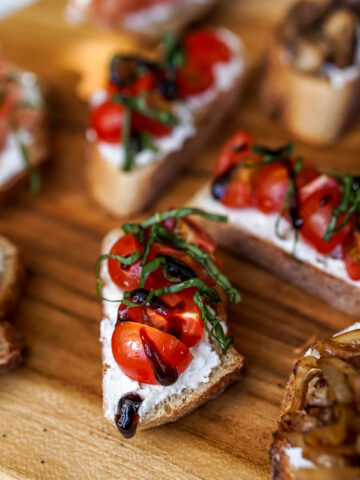
Datterino tomatoes are incredibly sweet and low in acidity, making them perfect for eating raw or lightly cooked. Toss them with pasta, add them to bruschetta, or roast them with garlic and olive oil for a flavor bomb. Datterino giallo (yellow tomato) is also popular.
4. Ciliegino (Cherry Tomato)
Region: Southern Italy (notably Pachino, Sicily)
Shape: Small, round
Texture: Juicy and thin-skinned
Flavor: Bright, balanced, slightly tart
Best Uses:
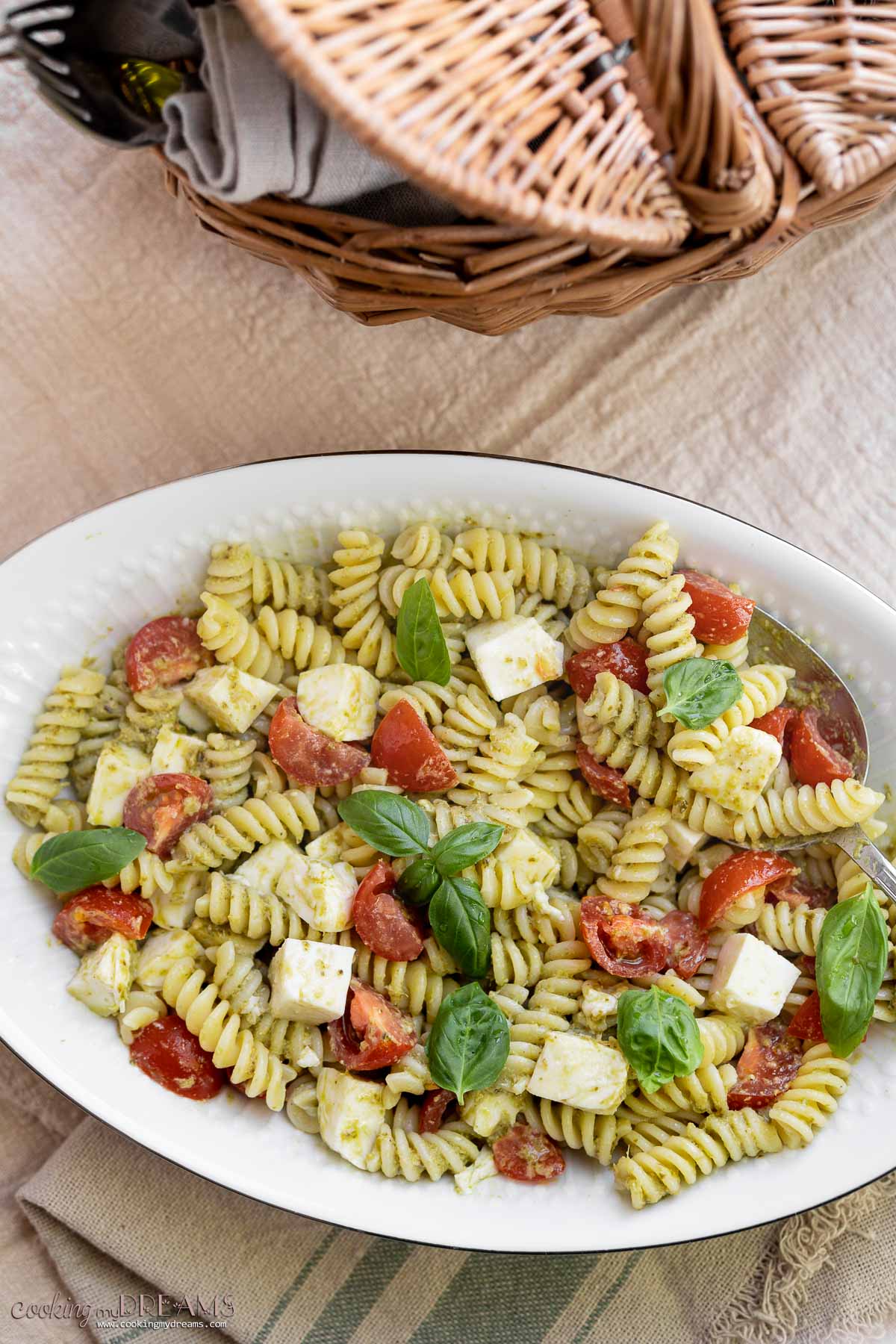
- Salads and Caprese
- Skewers or antipasto platters
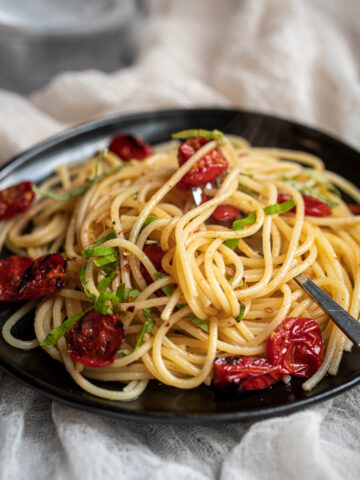
- Roasting or pan-frying (perfect for this Roasted Cherry Tomato Pasta Sauce)
Why it's beloved:
Ciliegino tomatoes offer the perfect bite-sized burst of tomato flavor. The PDO tomatoes from Pachino are especially sought-after for their vibrant taste and sun-kissed sweetness.
5. Costoluto Fiorentino
Region: Tuscany
Shape: Large, ribbed, beefsteak-style
Texture: Juicy, soft flesh
Flavor: Rich, earthy, slightly acidic
Best Uses:
- Slicing for sandwiches or burgers
- Caprese salads
- Stuffed or baked dishes
Why it's unique:
This heirloom variety is known for its deeply lobed shape and bold, old-fashioned flavor. It's ideal when you want a show-stopping tomato on the plate-perfect for summer displays.
6. Piennolo del Vesuvio
Region: Campania (Vesuvius area)
Shape: Oval with pointed end
Texture: Firm skin, thick flesh
Flavor: Concentrated, slightly tangy, long-lasting
Best Uses:
- Preserved in bunches (traditional)
- Pasta sauces
- Roasting whole with olive oil
Why it's iconic:
These tomatoes are traditionally tied in clusters ("piennoli") and hung to dry in cool cellars, lasting all winter long. They bring an intense depth of flavor and are often roasted whole to create rustic sauces.
7. Cuore di Bue (Oxheart or Coeur-de-Boeuf)
Region: Liguria, Piedmont
Shape: Large, heart-shaped
Texture: Very meaty, low seeds
Flavor: Mild, delicate, slightly sweet
Best Uses:
- Raw in salads or sliced
- Tomato carpaccio
- Light summer pasta
Why it stands out:
With very few seeds and an incredibly fleshy, soft texture, this tomato melts in your mouth. It's perfect raw, paired with olive oil and sea salt.

✨ Tips for Cooking with Italian Tomatoes
- Use San Marzano or Roma for sauces due to their low water content.
- Reserve Datterini and Ciliegini for fresh or lightly cooked dishes.
- Always taste your tomatoes. Some might be sweeter, more acidic, or watery depending on season and source.
- Preserve summer tomatoes. Make passata, confit, or sun-dried tomatoes to enjoy year-round.
➡️ Where to Find Italian Tomato Varieties
- Farmers' Markets & Specialty Stores: In-season, you're more likely to find heirloom types like Cuore di Bue or Costoluto.
- Canned Imports: Look for DOP-labeled San Marzano tomatoes in cans for sauces.
- Grow Your Own: Many Italian tomato seeds are available online-Datterino, Costoluto, and Cuore di Bue are especially popular with gardeners.
- Jarred & Preserved: Datterini and Piennolo tomatoes are often preserved whole in jars-perfect for rich winter dishes.
More Tomato Recipes:
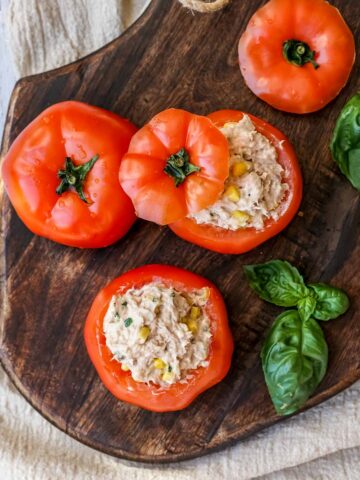
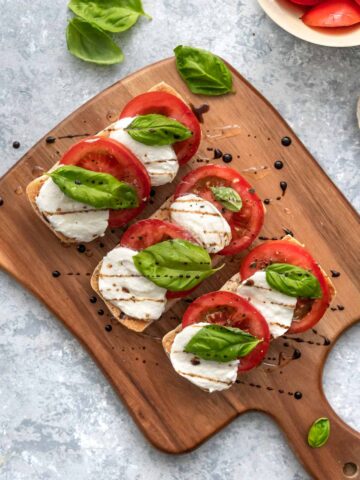
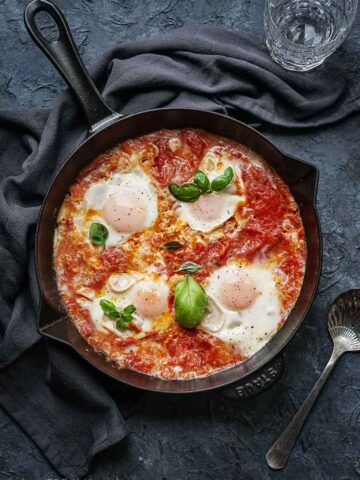
Check out also these 18 Best Summer Recipes with Tomatoes.
💭 FAQs
San Marzano tomatoes are a premium variety grown in a specific region with DOP certification. Roma is more common and slightly less sweet, but still great for sauces.
Yes, especially if they are very sweet. Just adjust for flavor differences-Datterini are typically sweeter and less acidic.
Look for a DOP seal and labeling like "Pomodoro San Marzano dell'Agro Sarnese-Nocerino." Avoid cans that just say "San Marzano style."
Leave a Comment