
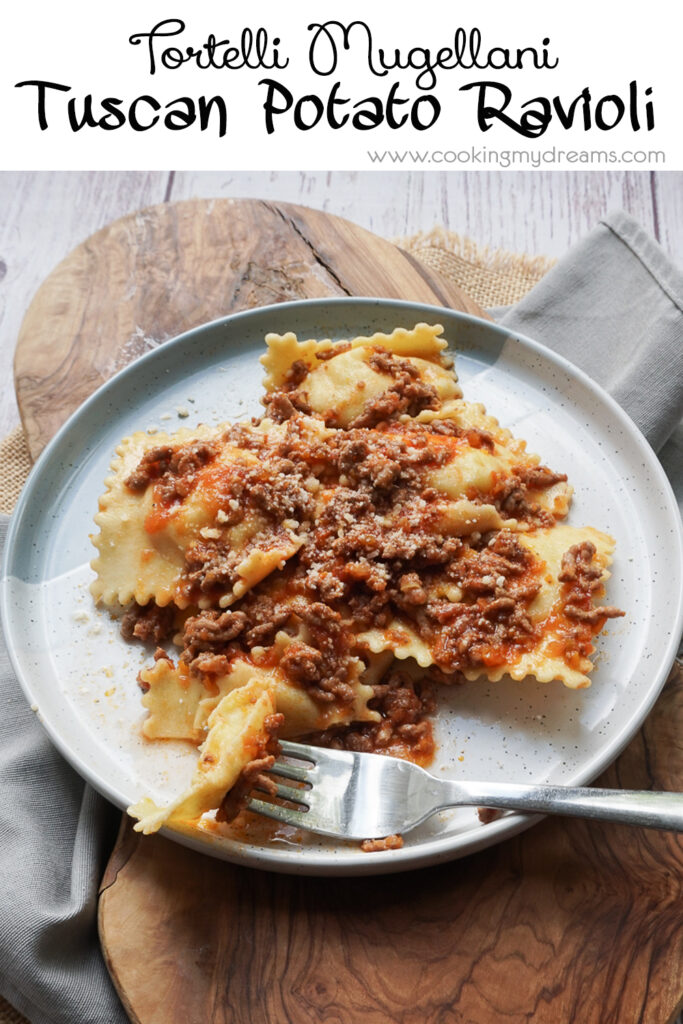
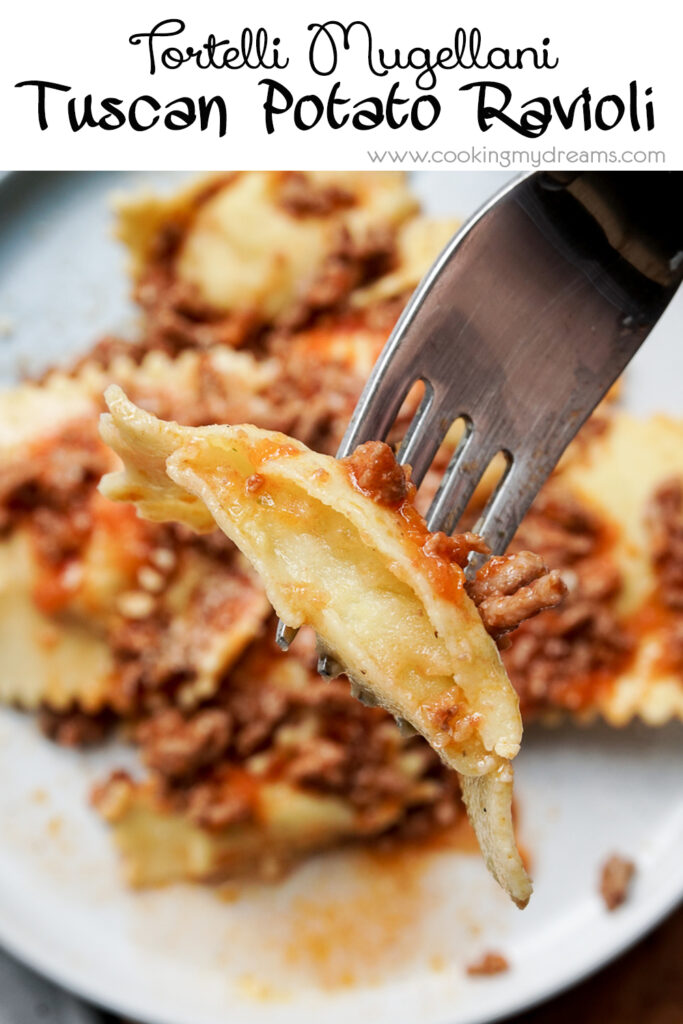
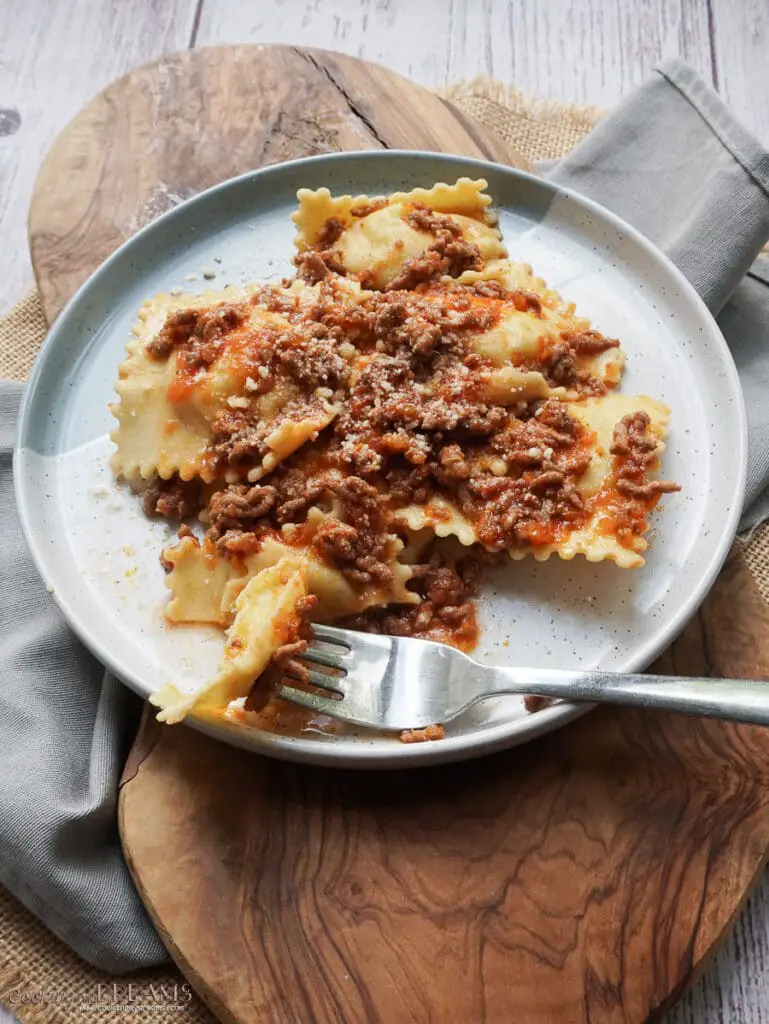
Tortelli Mugellani are traditional Tuscan potato-filled ravioli from the Mugello region, rich in rustic flavor and handmade charm. These pillowy pockets of fresh pasta are filled with creamy mashed potatoes and served with simple yet flavorful sauces like butter and sage or hearty meat ragù.
This post may contain affiliate links, which means I may make a small commission off items you purchase at no additional cost to you.
This comforting Tuscan specialty comes from the Mugello valley, just north of Florence, where families have passed the recipe down for generations. Unlike ricotta-based ravioli, Tortelli Mugellani are filled with seasoned mashed potatoes, often enhanced with nutmeg, garlic, and Parmigiano Reggiano. The filling is humble but deeply satisfying, and the large square-shaped tortelli have a wonderfully tender bite when cooked fresh.
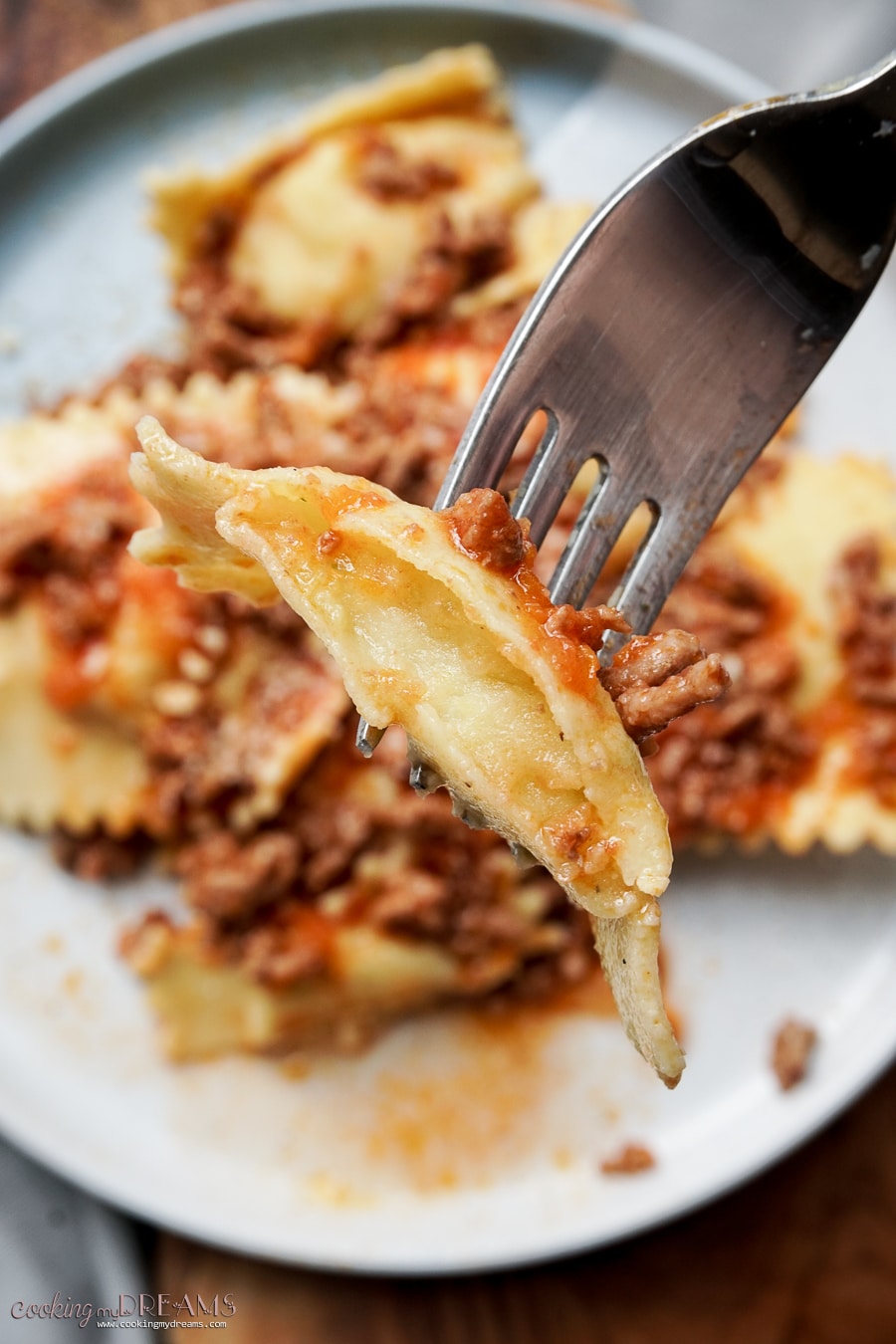
Typically served during festivals or Sunday lunches, they're dressed simply in melted butter and sage, or sometimes generously coated in Tuscan meat ragù or wild boar sauce. While they take a little time to make from scratch, the process is simple and rewarding.
Jump to:
What are Tortelli Mugellani
The origin of Tortelli Mugellani, or Tortelli di Patate (literally translates to Potato Ravioli) is very ancient. The first mention is in a poem dating 1400 a.d. This dish is born as a peasant dish, made with few and simple ingredients that were available at that time. Their characteristic is their square shape, bigger than the classic Ravioli, hence the different name Tortelli.
These Tortelli were initially made with a filling of chestnuts, which were really popular in the area of Mugello (where the dish name comes from), an historic region in the North of Florence. Then, around 1800 a.d. cultivations of potatoes started and replaced the chestnuts in the filling. The Tortelli Mugellani are still popular nowadays in many parts of Tuscany, following the same classic recipe. They're always served with a flavorful Tuscan Ragù and a glass of good Chianti wine.
🍳 Substitutions
- Flour → Use a mix of semolina and all-purpose flour for a firmer dough.
- Parmigiano Reggiano → Use Pecorino Romano or Grana Padano.
- Garlic → Substitute with sautéed onion or roasted garlic for a softer flavor.
- Nutmeg → Omit if you prefer a simpler taste.
🥣 Variations
- Spinach and potato filling - Mix in cooked, chopped spinach for an earthier flavor.
- Truffle version - Add a touch of truffle oil or shaved truffle to the filling for an indulgent twist.
- Gluten-free version - Use gluten-free flour blends suitable for pasta making.
🍽 Serving Suggestions
Traditionally, Tortelli Mugellani are served with:
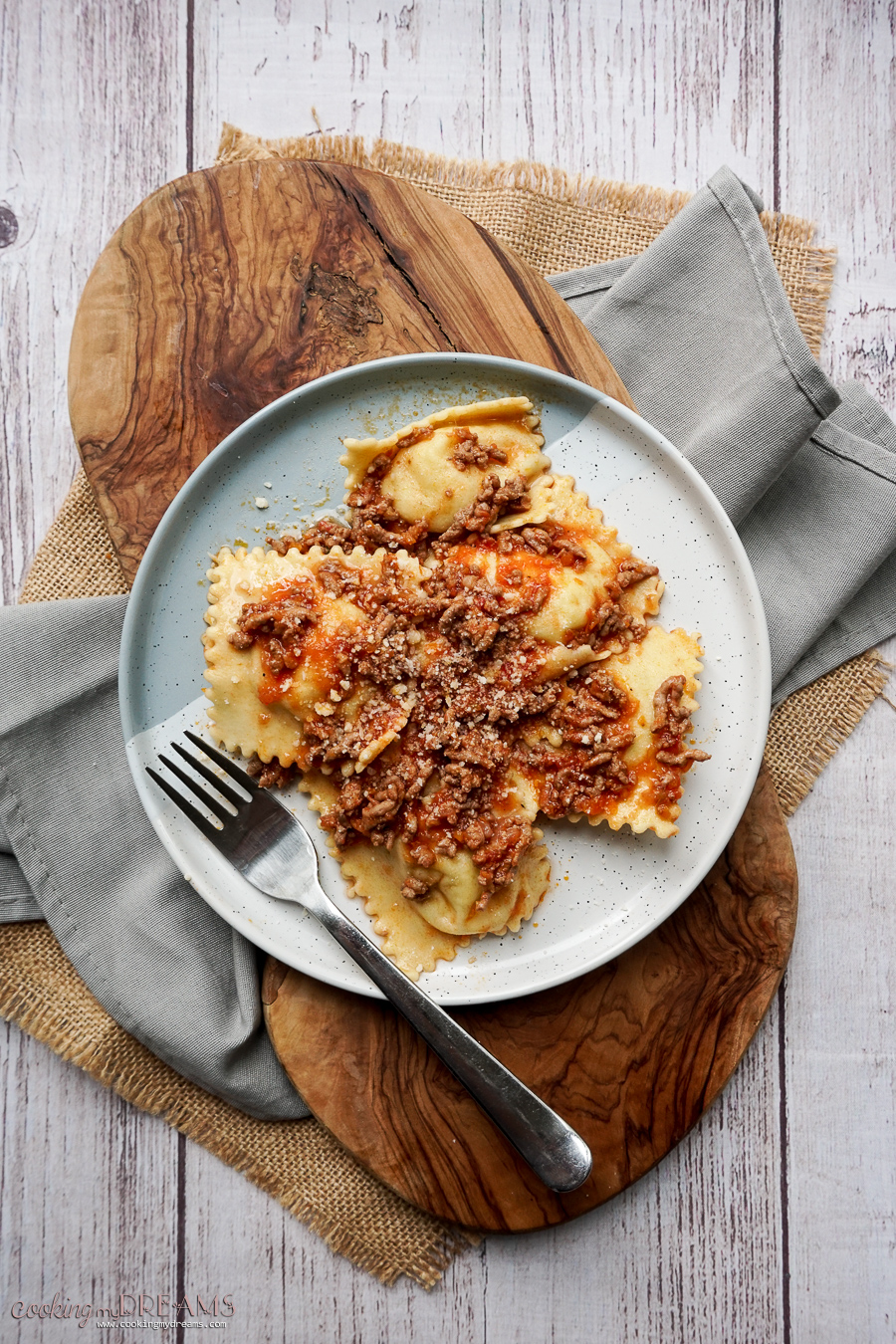
- Tuscan meat ragù - A rich tomato-based sauce with ground beef, pork, or wild boar.
- Butter and sage sauce - Gently melt butter with fresh sage leaves until fragrant, then pour over the cooked tortelli.
- Simple tomato sauce - A lighter option with garlic and fresh basil.
- Sprinkle of Parmigiano - Always a welcome finish.
Pair with a glass of Chianti or another Tuscan red wine, and enjoy with crusty bread and a green salad for a full Italian meal.
❄️ Storage & Reheating
Fridge: Store uncooked tortelli on a floured tray, covered, in the fridge for up to 1 day. Cooked tortelli can be stored in an airtight container for up to 2 days.
Freezer: Freeze uncooked tortelli in a single layer on a tray, then transfer to a freezer bag. Cook from frozen in boiling salted water-just add 1-2 extra minutes.
Reheating: Reheat gently in a pan with a little butter or sauce. Avoid microwaving, as it may affect the texture.
💭 Recipe FAQs
Tortelli are typically larger and square-shaped, and often have region-specific fillings. Ravioli are usually smaller and more varied in filling and shape.
No, you can roll the dough by hand with a rolling pin-just aim for an even thinness (about 1-2 mm).
They'll float to the top of the pot after 2-3 minutes of boiling. Taste one to check for doneness.
Yes! Make and freeze them a week ahead. Cook straight from frozen right before serving. Check this guide on How to Freeze and Cook Fresh Pasta.
⭐ Top tip
Check the step-by-step detailed guide on how to make handmade Ravioli from scratch.
Check out also this extensive guide with step-by-step videos on how to make 10 different shapes of fresh pasta without a pasta machine.
🫶 Related recipes you might like
Looking for other recipes like this? Try these:
If you tried this recipe, please take a moment to rate it and share your thoughts in the comments. Your feedback means a lot to me! ★★★★★
📖 RECIPE
Ingredients
Equipment
Method
- In a large wooden board (or a large bowl) place all the flour, make a hole in the center and break the eggs in. Add a pinch of salt and with a fork start mixing the eggs slowly.
- Still mixing with the fork, add the flour to the eggs a little bit at a time until it gets all mixed up together.
- When you've added already most of the flour and it becomes hard to mix with the fork, get your hands dirty! Mix well with your hands until it becomes a uniform dough, add some more flour to the board if necessary and knead for 10-15 minutes until the dough becomes smooth and elastic.
- Now cover the dough in plastic wrap and set aside to rest for 10-15 minutes.
- Peel and chop the potatoes into cubes, then boil in lightly salted water for about 15 minutes, or until a fork can easily pierce them.
- Drain the potatoes and mesh them finely, then add the minced garlic, butter, cream, Parmigiano, parsley and season with salt, pepper and nutmeg to taste.
- Mix well with a fork and set aside to cool down.
- With a rolling pin or pasta machine, roll the dough until it gets really thin, almost translucent.
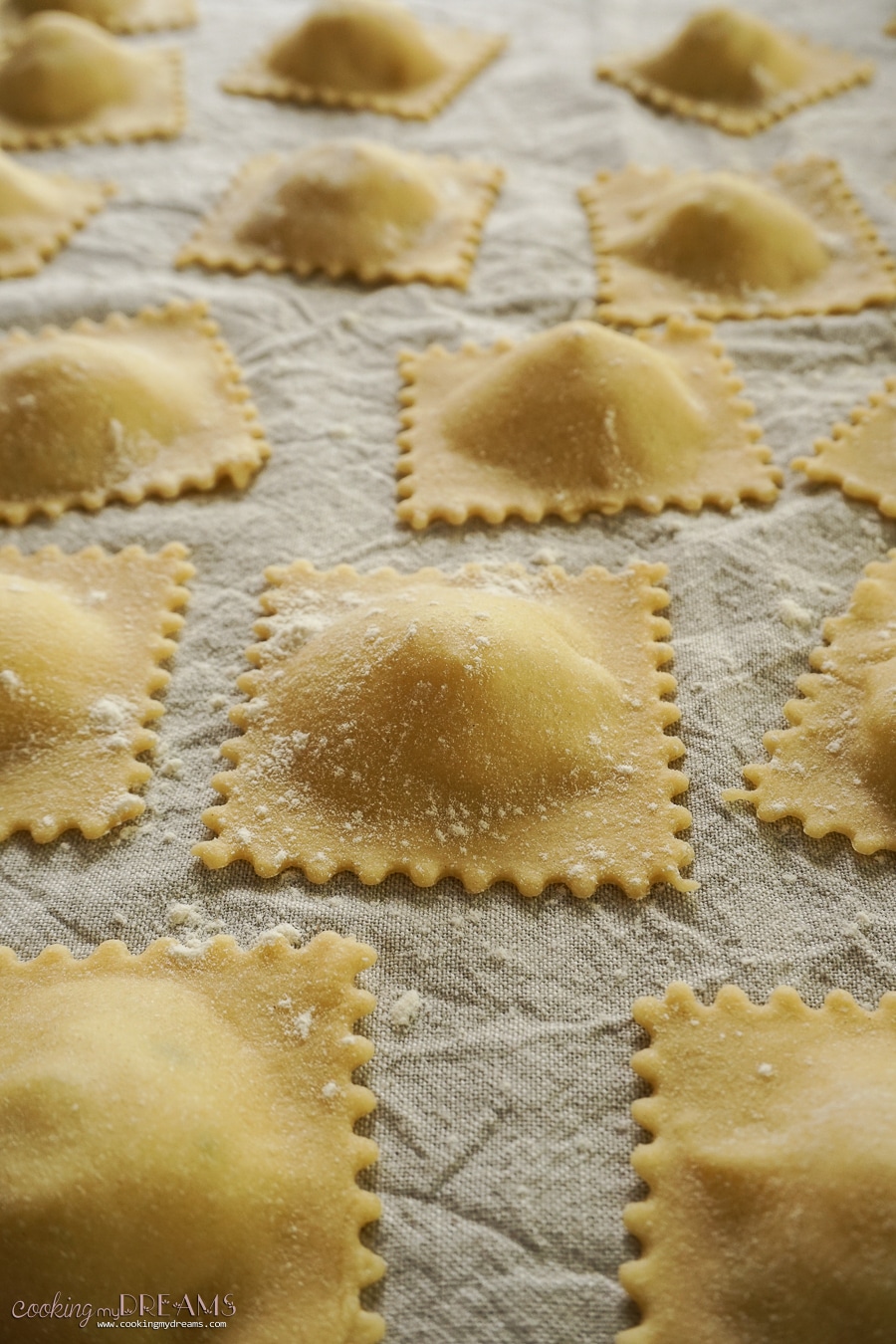
- With a teaspoon or a sac-a-poche place the filling as big as walnut on the dough, spacing it at least 5 cm (2 in.), see picture above in the post for reference. Brush with water around the filling and cover with the other pasta sheet. Pinch with your fingers starting from one side and slowly all around to remove the air from inside the ravioli.
- Cut the ravioli, then press again the edges with your fingers to make sure they're well sticked together and then set the ravioli aside on a clean cloth to rest.
- Bring to boil a large pot of salted water, then toss the ravioli slowly one by one being careful not to open them.
- Let them cook about 3-4 minutes (the cooking time mostly depends on the thickness of your pasta. Taste one to make sure is al dente but not raw).
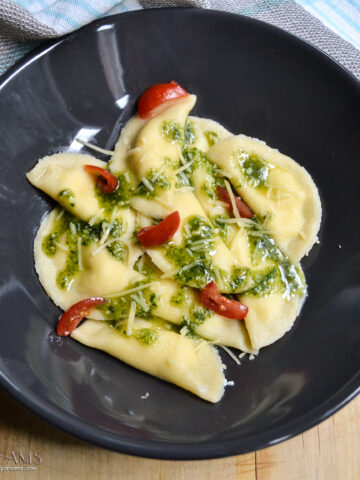
- Serve with Ragù sauce or with melted butter and sage leaves.
Nutrition
Nutritional information is only an estimate. The accuracy of the nutritional information for any recipe on this site is not guaranteed.
John Smith says
The history detail is fascinating — I had no idea these were originally filled with chestnuts before potato cultivation took over in the Mugello around the 1800s. Technique-wise, the thing that makes or breaks Tortelli Mugellani for me is the filling temperature: the mashed potatoes need to be completely cooled and firm before they hit the dough, otherwise the steam makes sealing those big squares a mess. Working the air out around the filling before cutting the squares also matters — trapped air is what bursts them in the boiling water. Love the nutmeg and Parmigiano in the filling, and butter and sage is the classic pairing, though that Tuscan ragù looks like a proper Sunday lunch. Thanks for keeping the traditional method alive!