
Here's everything you need to know about how to store Parmesan cheese, including best practices, common mistakes, and tips to avoid waste.

This post may contain affiliate links, which means I may make a small commission off items you purchase at no additional cost to you.
Parmesan cheese-whether it's Parmigiano Reggiano or Grana Padano-is a staple in Italian kitchens and a must-have for pasta, risottos, soups, and more. But once you've brought home a wedge or grated some for a recipe, you might wonder: How do I store it properly so it lasts as long as possible without losing flavor or texture?
Jump to:
- 🧀 Types of Parmesan: Wedge vs. Grated vs. Powdered
- ✅ How to Store a Wedge of Parmesan Cheese
- ✅ How to Store Grated Parmesan Cheese
- ✅ How to Store Powdered Parmesan (Shelf-Stable)
- ❌ Common Mistakes to Avoid
- 🦠 What to Do If Your Parmesan Has Mold
- ⭐ Bonus Tip: Save the Rind!
- ❤️ Our Favorite Recipes with Parmesan Cheese
- ❓ FAQs
🧀 Types of Parmesan: Wedge vs. Grated vs. Powdered
Before we dive into storage methods, it's important to know which type of Parmesan you're storing:
- Wedge or Block Parmesan (Parmigiano Reggiano): Usually sold in vacuum-sealed packaging. Best in terms of shelf life and flavor.
- Pre-Grated Parmesan (Fresh or Store-Bought): Convenient, but more prone to drying out or going bad.
- Powdered Parmesan (Shelf-Stable): Found in shaker containers, often with preservatives. This version stores very differently.
Each type requires a slightly different storage method to preserve freshness and taste.
✅ How to Store a Wedge of Parmesan Cheese
Best Method: Wrap + Airtight Container
- Unwrap from plastic or vacuum seal.
Once opened, don't re-wrap it in plastic wrap-this traps moisture and encourages mold. - Wrap in parchment or wax paper.
This allows the cheese to breathe while still protecting it from air exposure. - Place in an airtight container or resealable bag.
Put the wrapped cheese in a container or a partially closed ziplock bag. This balances air circulation and moisture retention. - Store in the fridge.
Keep it in the vegetable drawer or cheese drawer, ideally at 4-7°C (39-45°F).
🕒 How long does it last?
- Properly stored, a wedge of Parmesan can last up to 4-6 weeks after opening.
- Vacuum-sealed, it can last months unopened in the fridge.
✅ How to Store Grated Parmesan Cheese
Store in an airtight container in the fridge
- Use a small glass jar, plastic container, or zip-top bag.
- Label it with the date and try to use within 7-10 days for best flavor.
Can you freeze grated Parmesan?
Yes! Grated Parmesan freezes well and lasts up to 3-4 months in the freezer.
- Freeze in small portions so you can defrost only what you need.
- Use directly from frozen-no need to thaw.
✅ How to Store Powdered Parmesan (Shelf-Stable)
Powdered Parmesan (like the kind sold in green shaker bottles) contains preservatives and is designed to be shelf-stable.
- Before opening: Store in a cool, dry pantry away from heat and light.
- After opening: Store in the fridge and keep the lid tightly closed.
🕒 Shelf life: Check the expiry date on the label. Once opened, it typically lasts up to 1-2 months in the fridge.
❌ Common Mistakes to Avoid
- ❌ Don't store cheese in plastic wrap alone. It traps moisture and can cause mold.
- ❌ Don't leave Parmesan unwrapped in the fridge. It will dry out and lose flavor.
- ❌ Avoid freezing a full wedge. It may become crumbly. Instead, grate it first, then freeze.

🦠 What to Do If Your Parmesan Has Mold
- For wedges: If there's a small spot of mold, you can usually cut off about 1 inch around it and the rest of the cheese is safe to eat.
- For grated or shredded: Discard it. Mold spores spread easily in soft, small particles.
⭐ Bonus Tip: Save the Rind!
Don't throw away the rind of Parmigiano Reggiano-it's packed with umami and perfect for:
- Flavoring soups and broths
- Adding depth to risotto or pasta sauce
- Simmering in tomato sauce, then removing before serving
Just store rinds in a freezer bag in the freezer, and use as needed!
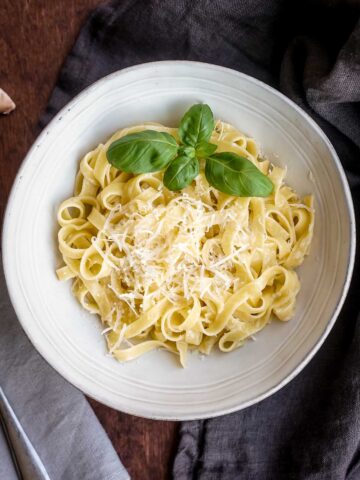
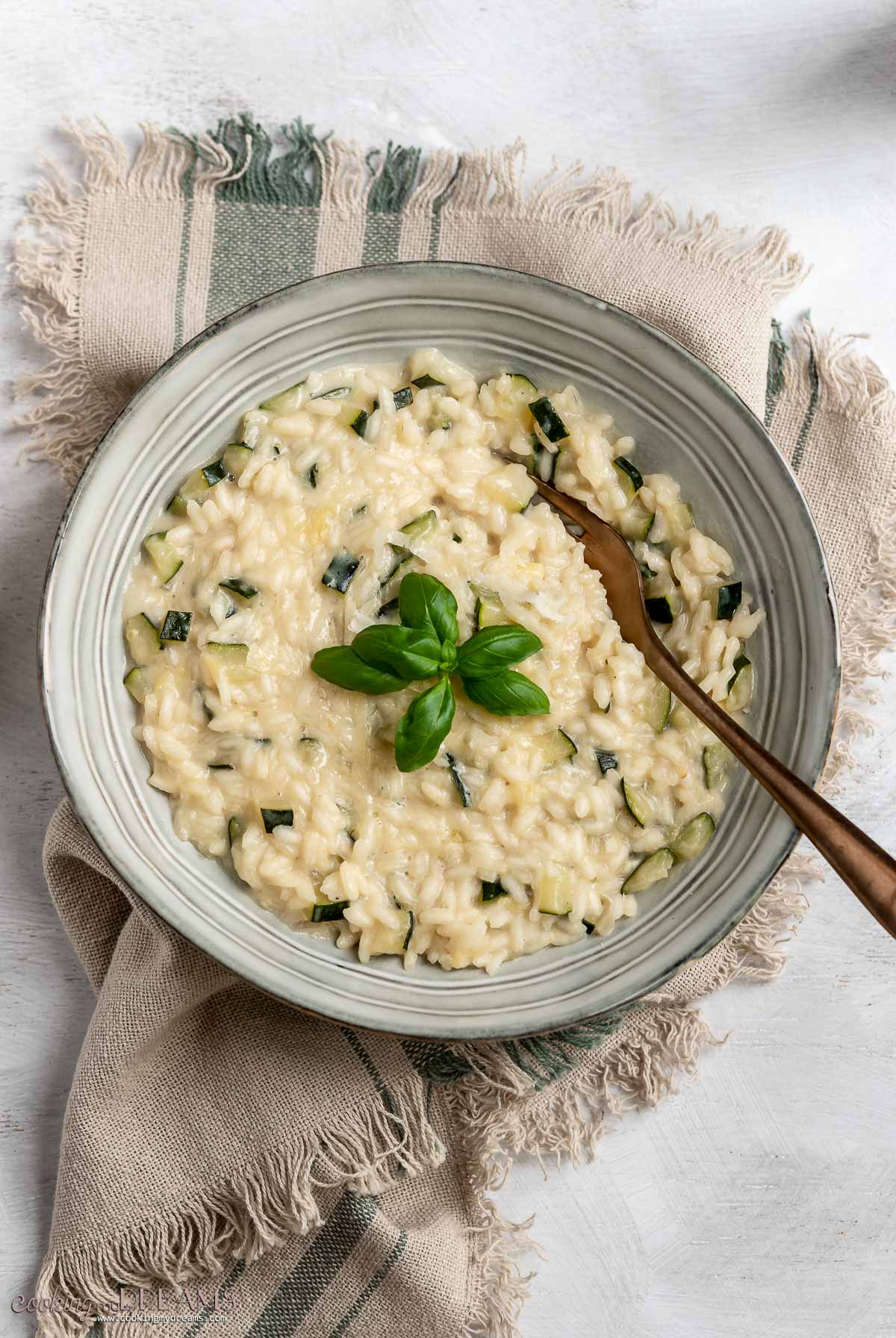
❤️ Our Favorite Recipes with Parmesan Cheese




❓ FAQs
Only powdered, shelf-stable Parmesan can be stored at room temperature. Wedges and fresh grated cheese must be kept in the fridge.
Yes-though it has a long shelf life, Parmesan can dry out, grow mold, or lose flavor if not stored properly.
If it's powdery or crystalline, it's likely tyrosine crystals-a natural sign of aging and perfectly safe (and delicious!). If it's fuzzy or blue/green, it's mold.
Good Parmesan-especially aged Parmigiano Reggiano-is a kitchen treasure. With just a little care in storage, you can make the most of its incredible flavor and extend its life in your fridge. Wrap it right, store it smart, and enjoy every last sprinkle.
Leave a Comment